
How to Choose the Right Acrylic Sheet Size for Your Project
Choosing an appropriate size for an acrylic sheet is one of the most crucial elements that can assure top performance, longevity, and the perfect finish you would look for in your project. Be it a kitchen application, furniture, signage, DIY décor, or protective layer installation, acrylic sheets offer clarity, durability, and flexibility that very few other materials can match. Brands like Royale Touche have made acrylic the go-to choice for many homeowners, designers, and architects who need to balance performance with appeal in modern projects.
With all options about size, thickness, and colour, the final choice of acrylic sheets can be confusing. Knowing how the sizes, thickness, and cuts that you may want affect the final result will better help you in choosing the perfect sheet for the job.
Understanding Standardized Acrylic Sheet Sizes
Acrylic sheets are manufactured in different sizes to global and Indian standards for specific applications. Common sizes include acrylic sheet a4 size, mainly utilized in crafts, sample pieces, signage tests, and small laser-cut designs. In the case of projects that involve room partitions, wardrobes, or panelled furniture, full-size acrylic sheets are preferred.
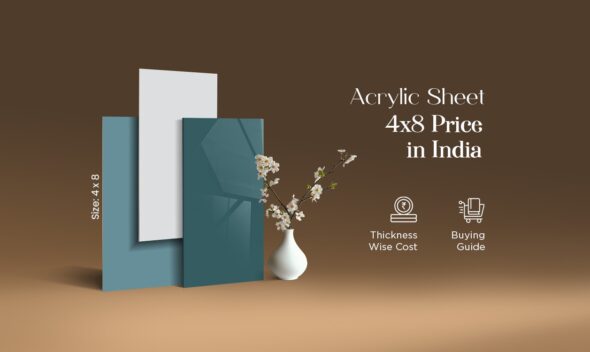
The 4×8 acrylic sheet is one of the most popular formats in the design and fabrication world. It provides minimum joints, thus being preferred in wall panels, modular furniture shutters, and decor elements; in kitchen surfaces; and in retail display for one smooth, unhindered look.
An acrylic sheet size chart is more often used by architects or carpenters to explore the whole range of options before buying, to match project requirements with dimensions available.
Understanding Measurements of Acrylic Sheets in Different Units
Feet, millimeters, and thickness are the three most common measures of acrylic sheet sizing. For Indian users, acrylic sheet size in feet is taken as a common reference for the woodworking and interior projects. On the other hand, a designer would most often rely on the acrylic sheet size in mm, especially when they deal with precise works like LED panels, light boxes, and protection screens.
Knowing both types of measurement helps in avoiding errors and making sure the sheet best fits into your project space.
Choosing the Right Thickness
Thickness is very important and central to durability, resistance to impact, stability, and the final look of the installation. This is where the different levels of thickness apply, meaning the proper understanding keeps one away from problems such as bending, cracking, or lack of structural support in various projects.
Here’s how to choose among common thicknesses:
- 1mm acrylic sheet:
Applications range from light craftwork to labels, display cards, and temporary panels.
- 2mm acrylic sheet:
Works for photo frames, light-duty signage, and decorative layering.
- 3mm acrylic sheet:
Ideal for partition accents, small dividers, menu boards, and laser-cut designs.
- 4mm acrylic sheet:
They are used in furniture fronts, cabinet shutters, and installations that demand average strength. The 4mm acrylic sheet represents a balance between flexibility and rigidity.
- 5mm acrylic sheet:
Works for more robust panels, protective screens, and applications that require medium impact.
- 1.5 mm acrylic sheet:
Commonly used in covers of artwork, crafts models, and light diffusing panels.
- 8mm acrylic sheet:
Suitable for high-strength use for display units, aquariums, heavy-use partitions.
- 10mm acrylic sheet:
Designed for large-format structural panels, safety enclosures, permanent installations, and commercial displays.
The right thickness provides stability to the sheet, a real form that can last for years and protect against environmental stresses, such as moisture, heat, or cleaning cycles.
Consider colour and finish requirements
While size and thickness determine performance, color and finish significantly influence the appearance of the project. The color chart for acrylic sheets will help in matching shades for interior design themes, whether you need solid colors, frosted sheets, tinted panels, metallic tones, or glossy finishes. Matching colors correctly is especially important in kitchens, premium wardrobes, furniture shutters, and wall claddings.
Designers often refer to the acrylic sheet color chart in search of tones that will complement cabinet laminates, wall panels, or decorative accents. Due to the natural glass-like clarity and superior reflectivity of acrylic, choosing an appropriate colour dramatically enhances the look of your project.
How to Match Acrylic Sheet Size with Project Requirements
Choices of acrylic sheets are made based on how much material is needed for the project. Here’s what to consider:
1. Measure the Installation Space
Accurate measurement is imperative for correct installation. A slight error may mean some noticeable gaps or excess material. Always measure width, height, and depth clearly, then recheck before finalizing the size.
2. Allowance Plan for Cutting
Fabricators usually leave a small margin around the sheet, which is trimmed very precisely during installation. With the 4×8 acrylic sheet, the cut allowances provide for clean and seamless edges once the trimming is done.
3. Consider the Joint Visibility
Fewer joints normally provide a neater and high-end finish. Large sheets eliminate unnecessary seams, especially in modular kitchens, wardrobes, and wall panels.
4. Thickness of Match-Stress Level
Thicker sheets-from 4mm to 10mm-are needed for higher-usage projects such as kitchen shutters, commercial counters, and protection screens. As against this, decorative or craft projects can allow a thin sheet that is 1mm to 3mm thick.
Selection for Durability and Long Life
Incorrect thickness or size may result in bending, cracking, visual distortion, or wear and tear. Acrylic sheets a4 size, if matched rightly, always assure a long time clarity and performance. With famous brands such as Royale Touche, the users get premium, long-lasting acrylic sheets made to meet the Indian lifestyle demands.
Choosing the correct acrylic sheet size and thickness ensures your project performs well, looks stunning, and lasts for years. By taking into account measurements, thickness requirements, and colour options, you’ll be able to select a sheet that supports both functionality and design. Acrylic sheets remain among the most versatile materials that find applications in modern homes, whether in kitchens, furniture, décor, or commercial installations.
Frequently Asked Questions
1. What size of acrylic sheet works well for modular furniture?
Larger sheets, such as 4×8 feet, work best because they reduce joints.
2. Are acrylic sheets available in different colors?
Yes, you may select from a full acrylic sheet color chart to match your interior theme.
3. How to Choose the Correct Thickness of Acrylic Sheets?
Match thickness to usage-3–5mm for décor, 8–10mm for heavy-duty applications.
4. Are acrylic sheets appropriate for kitchen shutters?
Yes, provided the right selection of thickness is made-3–5mm.
5. Can acrylic sheets be made in small sizes?
Any size, for these are easily cut with precision tools.